Internationally value Brazilian native products, culture and people, seeking to support local communities, generating income, protecting the environment and thinking about future generations, through consumption that generates value and, at the same time, preserves, promoting positive externalities, such as sustainability, health and internalization of resources.
“A standing tree is worth more than a felled one, a native fruit a day keeps you away from the doctor.”
Nossos valores
Intelligent
Friendly
long-term vision
empathetic
sustainable
Biomes
Brazil is a country extremely rich in biodiversity due to its vast territorial extension and varied geographic characteristics. This diversity is reflected in the different biomes found in the country. The main Brazilian biomes are:
Amazon Rainforest
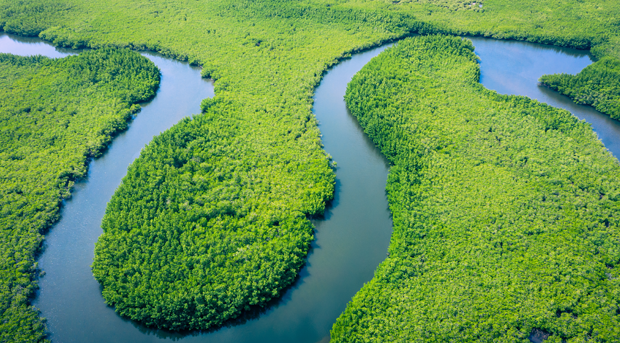
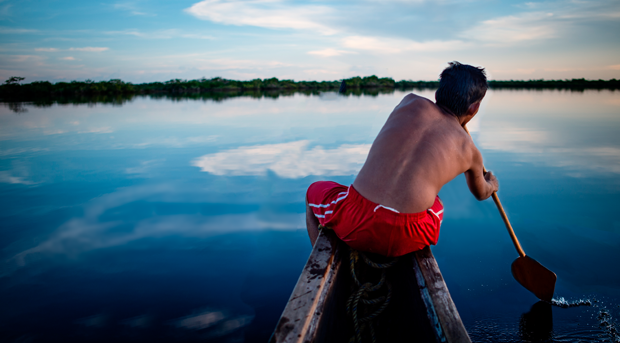
The largest and best known tropical forest in the world, located in the northern region of Brazil. It is characterized by its lush vegetation and a huge diversity of animal and plant species.
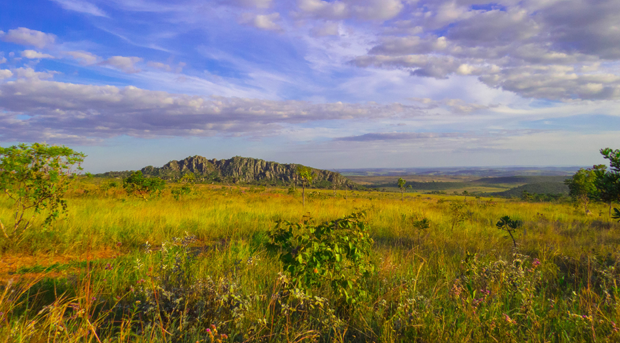
It is the second largest Brazilian biome and occupies mainly the central region of the country. It presents a varied vegetation, with low trees, shrubs and grasses. It is also known as the “Brazilian savanna” and has a rich biodiversity.
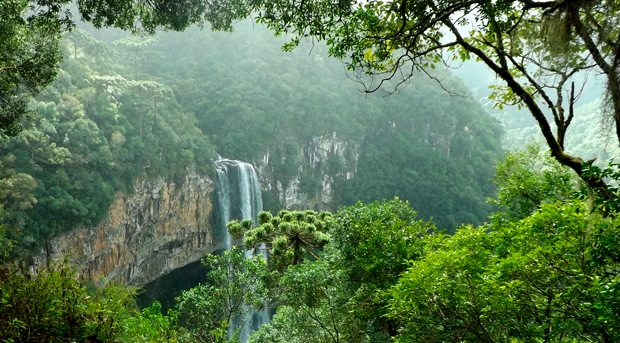
Originally it extended along the east coast of Brazil, but today it is one of the most threatened and fragmented biomes due to urban expansion and human activities. It is characterized by its biodiversity and a large number of endemic species.
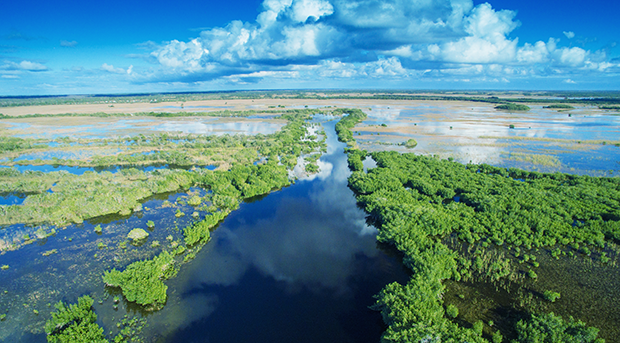
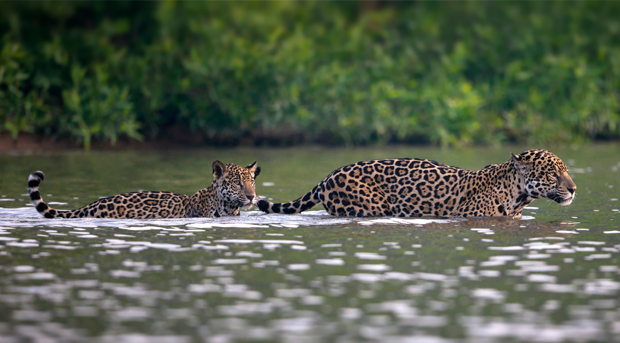
Located in the center-west of Brazil, it is the largest continental wetland in the world. It is known for its seasonal floods, which attract a rich fauna, including several species of birds, mammals and reptiles.
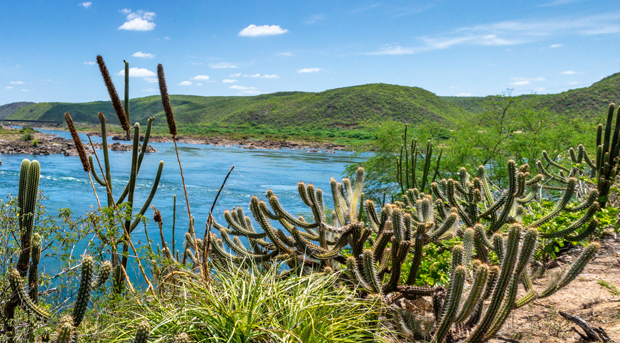
It is a semi-arid biome that occupies part of the northeast of Brazil. It features vegetation adapted to the scarcity of water, such as thorny and xerophytic plants.
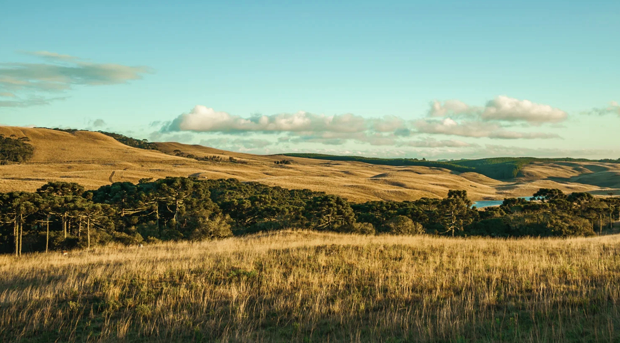
Found mainly in southern Brazil, this biome is characterized by extensive plains and grasslands. It is an important region for livestock in the country.
We seek to provide the population with access to more biodiverse and rich food. We will promote health, taking the nutraceutical potential of our products to the consumer’s table. Discover some of these products from Brazilian biomes:
ABIU
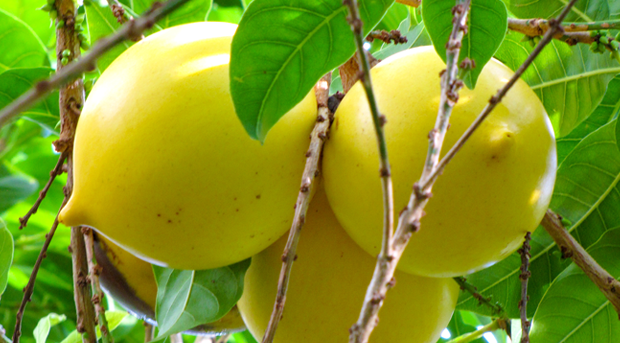
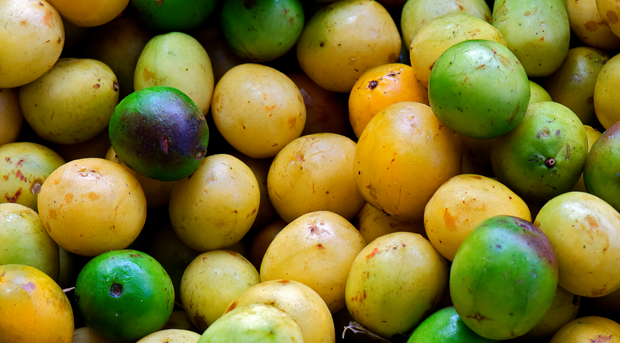
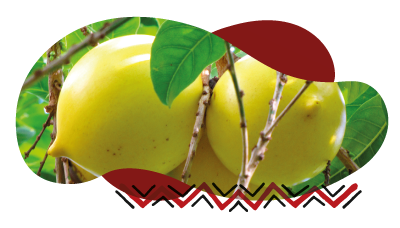
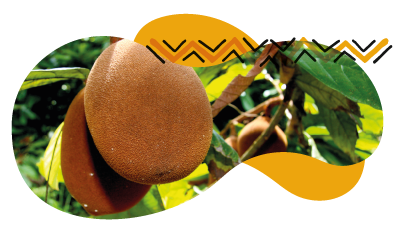
Abiu is a fruit native to Brazil, known for its sweet taste and creamy flesh. Rich in vitamin C, antioxidants, B vitamins, iron and calcium, it strengthens the immune system, fights free radicals and promotes overall health. Its anti-inflammatory properties help prevent disease.
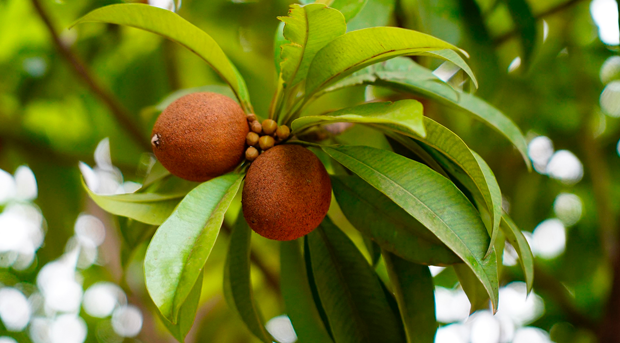
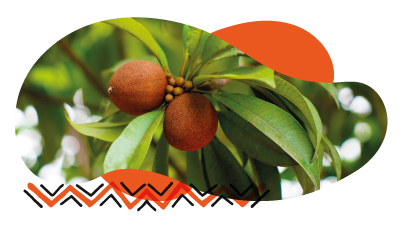
It is a tropical fruit originating from Central America and tropical regions of South America. Its brown skin hides a juicy, sweet pulp with a unique flavor. Rich in nutrients such as vitamins A, C, potassium and calcium, sapodilla is a healthy option for the diet.
Is a Brazilian fruit with a sweet and sour taste, with a juicy pulp. Rich in vitamin C, antioxidants and fiber, it strengthens the immune system, fights free radicals and improves digestion. Contains calcium, phosphorus and iron, important for healthy bones and teeth.
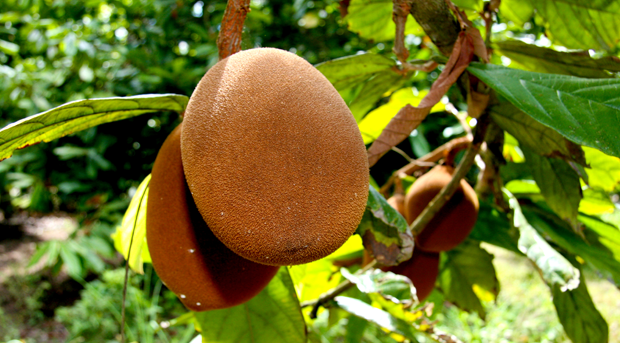
Scientifically known as Theobroma grandiflorum, it is a tropical fruit native to the Amazon. With an exotic and refreshing flavor, it is rich in antioxidants, vitamins and minerals. Its creamy and acidic pulp can be consumed fresh, used in juices, ice cream, mousses and various desserts.
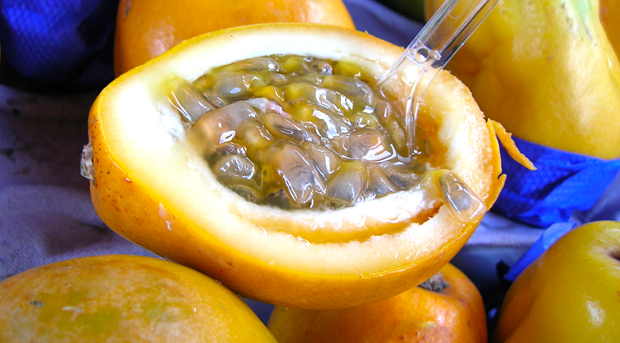
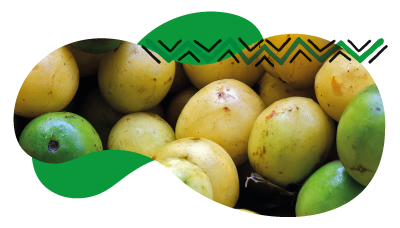
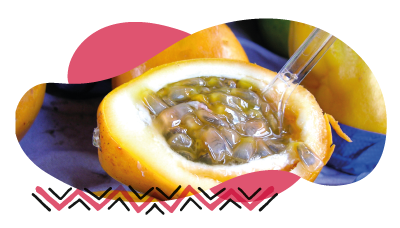
Passiflora edulis, known as passion fruit, is a fruit with proven benefits due to the presence of bioactive compounds, such as passiflorin and flavonoids. Studies have shown that passiflorin, an alkaloid present in passion fruit, can have relaxing and sedative effects, helping to reduce anxiety and improve sleep quality.
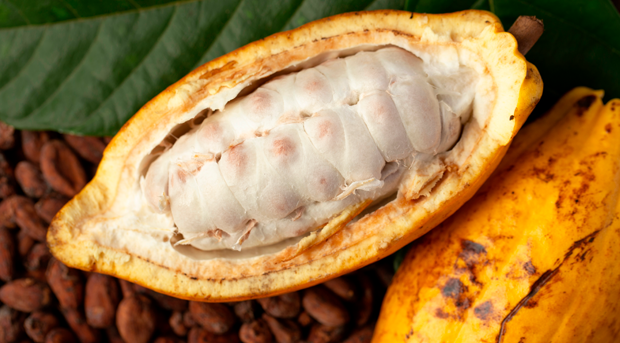
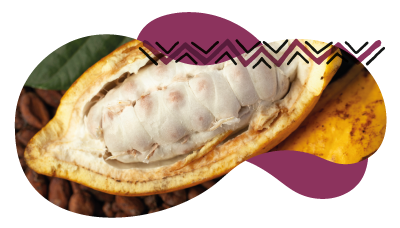
Known as Theobroma cacao, it is a tropical fruit with a rich and characteristic flavor. Rich in antioxidants such as flavonoids, cocoa helps fight oxidative stress and promote cellular health. In addition, it is a source of essential minerals such as magnesium, iron, zinc and copper.
It is possible to have a bioeconomy and preserve the environment through the generation of a value chain.
“A tree can have more value standing, producing wealth and fixing carbon, than felled.”
This contributes to the reduction of deforestation and the development of a commercial chain that facilitates exports and domestic sales, adding value to native products. Helping to protect the environment by generating value from fauna and not from wood.
Partners
Partner companies that make our idea generate good results.